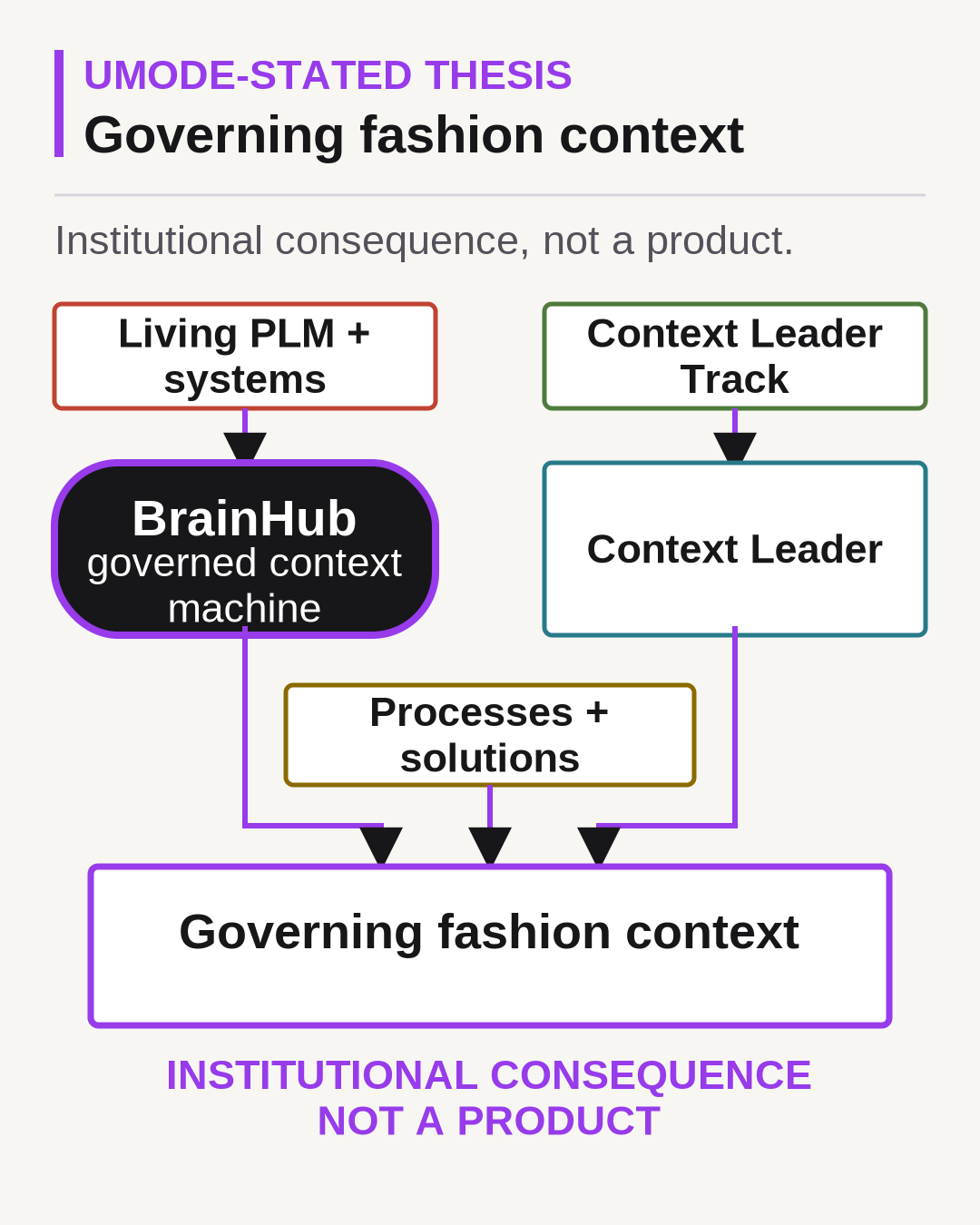
What is shadow AI and how do you govern it in fashion?
Shadow AI is the use of AI outside a company's approved processes. See the risks to data, a filled-in registration record and five steps to govern it.
On this page
Shadow AI, also called unauthorized AI, is the use of artificial intelligence outside the systems and processes approved by the company. In fashion, the storefront description of the invented Aurora t-shirt is late, you paste the whole Spreadsheet into an AI that nobody approved and the text comes back perfect.
At the next meeting, they ask which data left the company. The description came out great; the explanation, none. The Spreadsheet carried costs and supplier contacts along with it.
Why do you turn to unauthorized AI?
The causes are official tools unsuited to the work, rigid access, ambiguous policies and a slow AI strategy.
That is what KPMG points to as the origin of the use of unapproved tools (Shadow AI is already here, p. 3).
This survey is the starting point of team AI adoption. On the Aurora, the need was to write a description. Ask which approved path solves that and what information it requires. The answer goes into the company AI guideline: task, permitted tool and data limit.
What risks does shadow AI bring to data?
Company and customer data can leave without anyone knowing where it went.
According to the NCSC (the UK's National Cyber Security Centre), unapproved tools with access to that data increase the risk of leakage, loss of intellectual property and regulatory noncompliance. The information can also be stored, retained or used to improve the external service (The hidden risks of shadow AI, p. 1).
The text comes back pretty and does not tell you where what you pasted went. That is why the work of fashion data governance starts before the click: which fields does this task need to receive?
What should you record before using AI on a spec?
Record two levels: the tool, in an inventory, and each task that uses it, in a registration record.
NIST (the US National Institute of Standards and Technology) recommends taking inventory of generative AI systems, with the origin of the data, the people responsible for human oversight and the care taken with personal, confidential or intellectual-property-protected information (Artificial Intelligence Risk Management Framework: Generative Artificial Intelligence Profile, p. 20).
First, the inventory of the writing tool, ready to copy:
| Field | Value |
|---|---|
| Tool | Description writing, approved by the company |
| Data origin | Approved product specs |
| Human oversight | Product team |
| Care | Supplier costs and contacts are confidential |
Then, the registration record per task, which applies that inventory to the Aurora:
| Field | Value |
|---|---|
| Garment | Aurora t-shirt |
| Task | Write a description from approved attributes |
| Input and origin | Name, blue color and round neck, extracted from the approved spec |
| Data kept out of the submission | Costs, contacts and the full collection file |
| Environment | Tool approved for this task and this data |
| Human review | Product team compares the text with the spec before release |
| Output destination | Draft description, awaiting review |
| Usage record | Keep input, output and approval together with the spec |
The AI receives the Aurora's spec, not the collection file. The cut-out works like the pattern: only what fits in it becomes a garment.
How do you govern shadow AI step by step?
Survey the real use, approve tools centrally and open a safe path for the team to work.
KPMG proposes centralized evaluation, a controlled environment, hands-on training, an inventory of the AIs in use and approved tools by role (Shadow AI is already here, pp. 5 and 6). In five steps:
- Survey, without punishment, the AIs the team already uses and the reason for each use: on the Aurora, the description was late and the AI was the shortcut.
- Build the inventory of tools, with data origin and the person responsible for oversight, as in the first table.
- Define centralized evaluation and approval: who decides, by what criterion, and how long a new tool takes to get an answer.
- Publish the approved tools by role, with each one's data limit: for product, writing from the spec's attributes, with costs and contacts kept out.
- Open a controlled environment and train with a real task: the team writes the Aurora description there and compares the text with the approved spec.
The Spreadsheet keeps its tabs and its secrets, but the Aurora description travels only with what the task asks for. When the description starts coming out on its own, by agent, the registration record becomes the pilot sample of governing AI agents: an agent with access to data requires a person responsible for human oversight, as NIST asks.
What other questions still come up about shadow AI?
Is it enough to ban unauthorized AI?
It is not enough. Banning without offering an alternative leaves the same spreadsheet pasted into the same AI, just hidden. The authors conclude that a pure ban can be ineffective (Trust, attitudes and use of AI: a global study 2025, p. 77).
What should the goal of governance be?
To reduce risk, without assuming that use disappears. On the Aurora, it is understanding why the description was late and offering a safe path for it. The NCSC points to an open security culture and safe alternatives.
Is shadow AI the same as shadow IT?
Shadow AI is a form of shadow IT, the use of technology not registered in the company's approved processes. IT stands for information technology.
With a record, the description can go out and the costs stay home. AI without a record delivers the garment but takes the whole spec along.
Verified facts
- The NCSC defines shadow AI as the use of AI technology that is not registered in the organization's approved systems and processes and considers it a form of shadow IT.
Source: ncsc.gov.uk ↗ - KPMG points to official tools that are unsuited to the work, rigid access, ambiguous policies and a slow AI strategy as causes of the use of unapproved tools.
Source: kpmg.com ↗ - According to the NCSC, giving unapproved tools access to company or customer data increases the risks of leakage, loss of intellectual property and regulatory noncompliance; the information can be stored, retained or used to improve the external service.
Source: ncsc.gov.uk ↗ - NIST recommends taking inventory of generative AI systems, recording the origin of the data, the people responsible for human oversight and the care taken with personal, confidential or intellectual-property-protected data.
Source: nvlpubs.nist.gov ↗ - KPMG proposes centralized evaluation and approval of tools, clear policies, a controlled environment to experiment in, hands-on training, an inventory of the AIs in use and approved tools by role.
Source: kpmg.com ↗ - The NCSC advises reducing the risks of shadow AI use through an open security culture, understanding the reasons for use and offering safe alternatives, without assuming that this use can be eliminated.
Source: ncsc.gov.uk ↗ - In the 2025 University of Melbourne study with KPMG, the authors conclude that a pure ban can be ineffective and that having an AI policy does not guarantee compliance with it.
Source: ndownloader.figshare.com ↗
Related entries
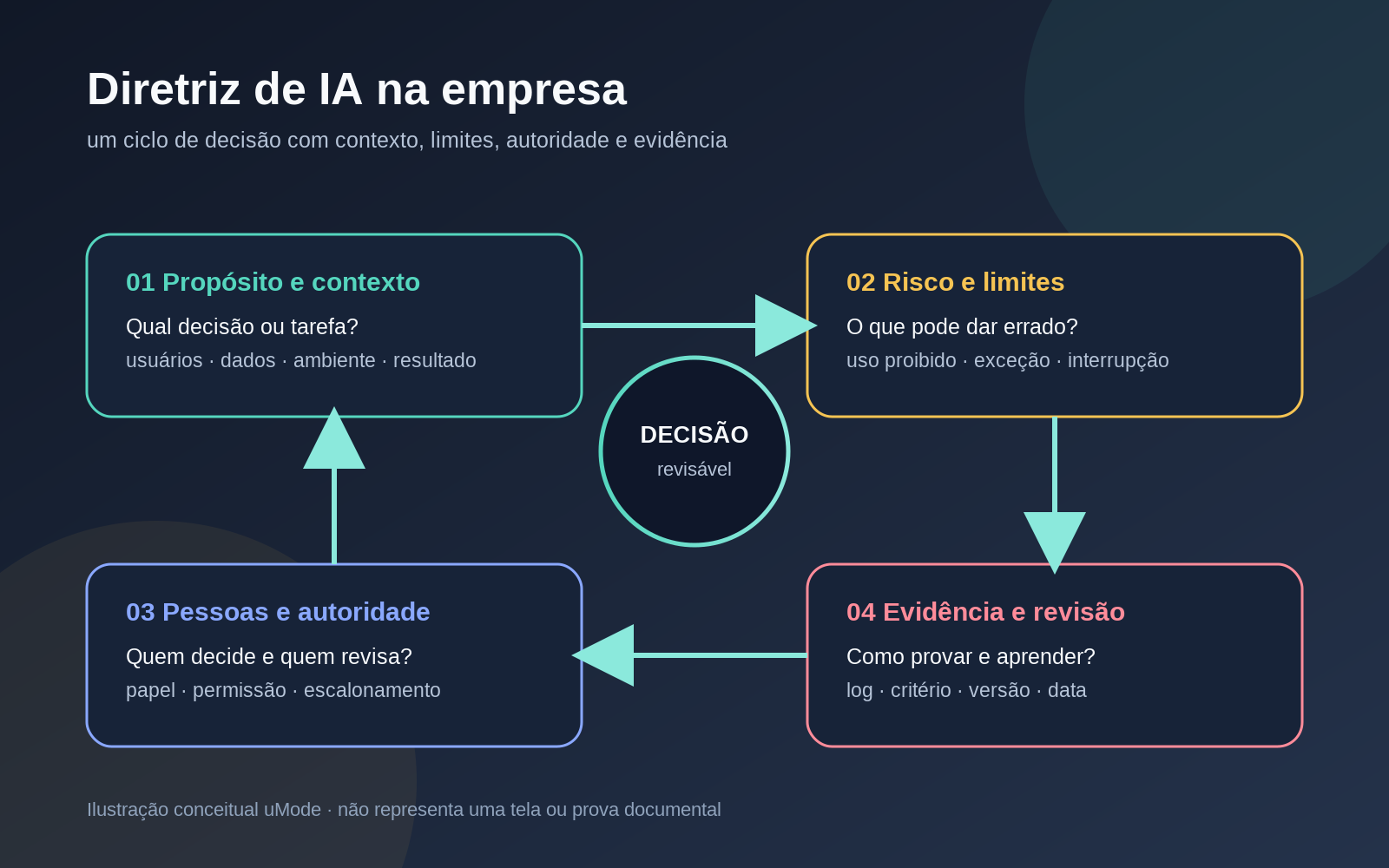
How to define an AI guideline for a company
How to define an AI guideline for a company. Defining an AI guideline for a company means turning a broad intention into operating rules for a bounded use: purpose, context, risk, authority, evidence, and review. In a fashion company, the guideline follows an object such as a tech pack, sample, material, or order without confusing an automated recommendation with an authorised decision.
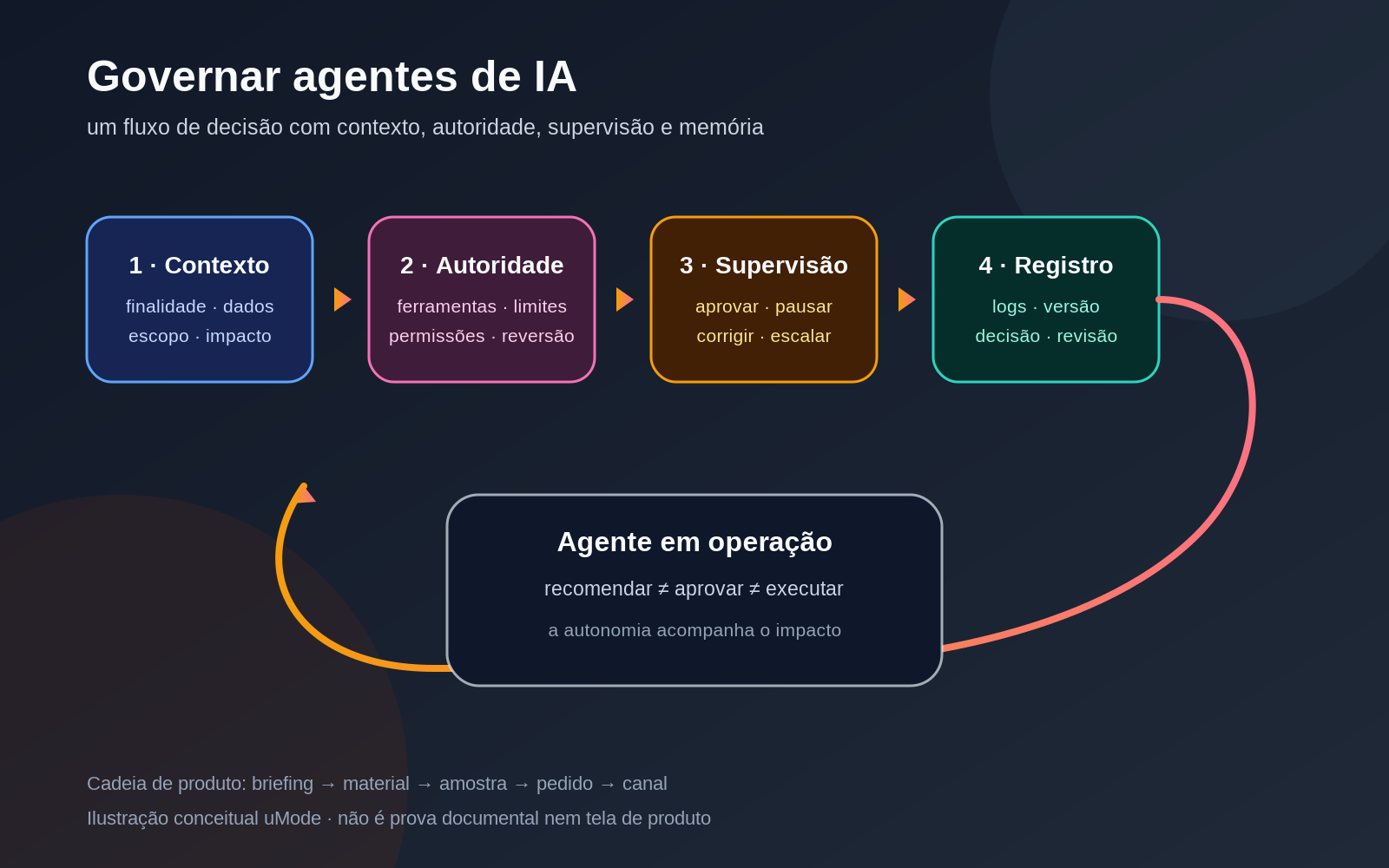
How to govern AI agents in a company
How to govern AI agents in a company. In a company, governing AI agents means defining purpose, context, authority, data, supervision and records before a system is allowed to recommend or execute actions. The process combines continuous risk management with autonomy levels proportional to impact, without treating a framework as automatic permission.
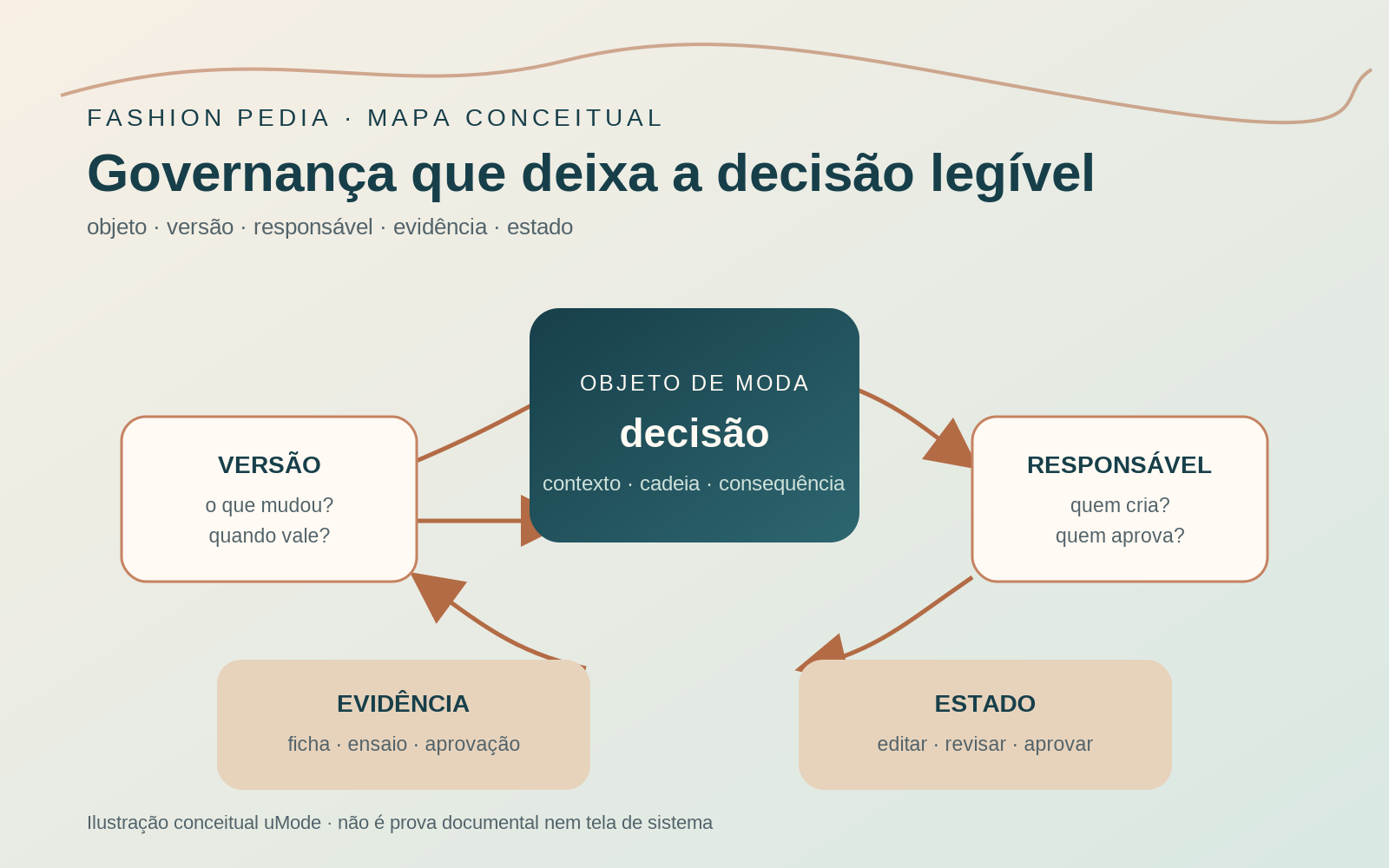
How to structure fashion data governance
How to structure fashion data governance. Fashion data governance organizes objects, meanings, owners, versions, permissions and evidence around product and supply-chain decisions. A useful structure starts with a critical workflow, states what must be known at each step, and connects a decision to the record that lets another person verify it.
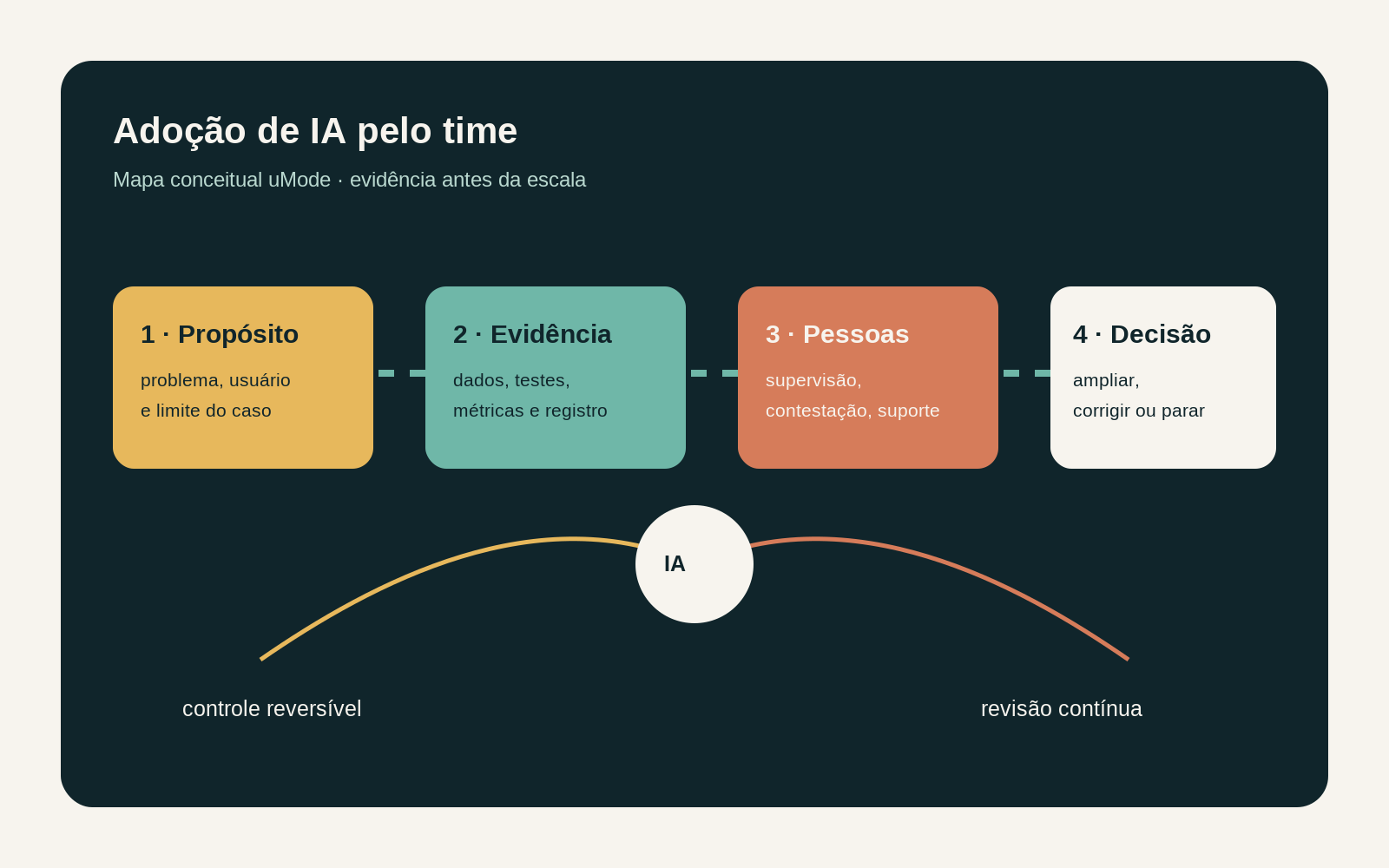
Team AI adoption
Team AI adoption turns curiosity into operating capability by defining tasks, usage boundaries, guided practice, quality measures, and practical ways to challenge outputs before a tool changes real decisions.
Sources
- https://www.ncsc.gov.uk/sites/default/files/2026-09/The-hidden-risks-of-shadow-AI.pdf
- https://kpmg.com/kpmg-us/content/dam/kpmg/pdf/2025/shadow-ai-already-here-take-control-reduce-risk-unleash-innovation.pdf
- https://nvlpubs.nist.gov/nistpubs/ai/NIST.AI.600-1.pdf
- https://ndownloader.figshare.com/files/54013232
Want to apply this to your operation?