Linen
Linen is a natural fiber extracted from the stem of the Linum usitatissimum plant, one of the oldest used by humankind. Cool, strong and stronger when wet, it is traditional in summer garments for its high breathability, and its tendency to wrinkle has become the aesthetic signature of the natural fiber.
What is linen?
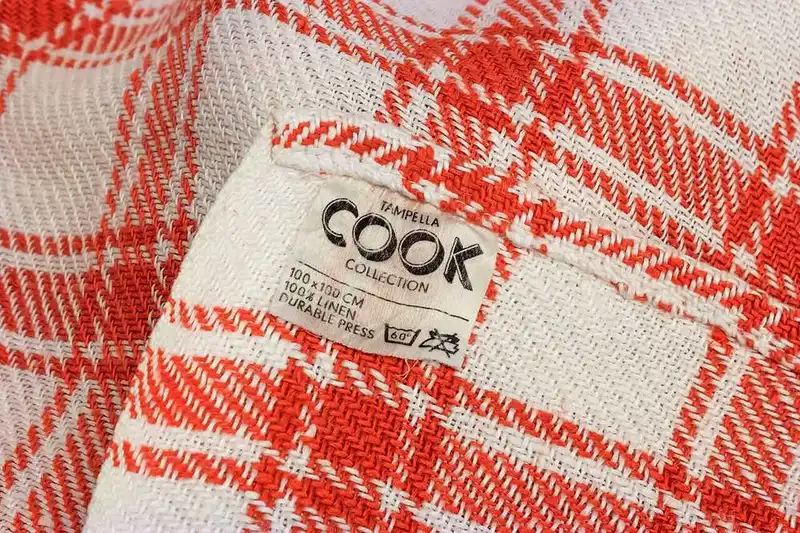
Linen is a textile fiber extracted from the stem of the flax plant (Linum usitatissimum), not from the seeds or the coat, as with cotton and wool, but from the stalk of the plant itself. It is a bast fiber, extracted from the phloem of the stem like hemp and jute, and one of the oldest textile fibers used by humankind, with documented use since pharaonic Egypt, where it even wrapped mummies. The word itself reveals its antiquity: "linen" (and the Portuguese "linho") comes from the Latin linum, the name of the plant, and from that term "lingerie" also derived, originally undergarments made of linen.
How does linen behave as a fiber?
Getting from the plant stem to linen yarn requires a process called retting, which uses moisture and controlled microbial action to separate the fiber from the woody core of the stalk, a processing step more laborious than simply harvesting the cotton boll, and one of the reasons linen costs more. The result, however, pays off: linen is stronger than cotton, and gains even more strength when wet, unlike most fibers. It conducts heat well and absorbs moisture, which makes it cool to the touch and ideal for hot climates.
The same structure that gives linen its strength also explains its most recognizable trait: the fibers have low elasticity, which makes the fabric wrinkle easily, a trait that stopped being a flaw and became an aesthetic signature in linen garments, signaling "made of natural fiber" instead of carelessness. Structurally, linen accepts the same fundamental weaves as other fibers, including twill, although plain weave is the most common in pure linen.
Production
France, Belgium and Belarus are among the main producers of textile-grade flax, favored by the humid, temperate climate ideal for growing flax and for dew retting in the field. After retting come scutching and hackling, which separate the long fibers (used in fine yarns) from the shorter tow, followed by spinning. The lower yield per hectare, added to the more complex processing, supports the fiber's premium positioning compared with cotton.
Why does linen matter?
As a premium natural fiber, linen occupies a higher value range than cotton in many collections, a direct result of the higher processing cost and the lower yield per hectare. This value positioning affects the tech pack, pricing and the product narrative: a linen garment communicates something different from a cotton one, even though both are plant fibers. At uMode, this difference in cost and narrative between fibers feeds directly into collection mix and segment pricing decisions.
Verified facts
- Linen is a textile fiber extracted from the stem of the flax plant (Linum usitatissimum).
Source: britannica.com ↗ - It is one of the oldest textile fibers used by humankind, with documented use since pharaonic Egypt.
Source: britannica.com ↗ - Linen fiber is extracted from the stem by a process called retting, which uses moisture and microbial action to separate the fiber from the woody core.
Source: en.wikipedia.org ↗ - Linen is stronger than cotton and gains even more strength when wet.
Source: en.wikipedia.org ↗ - Linen fibers have low elasticity, which is why linen fabric wrinkles easily.
Source: en.wikipedia.org ↗ - The word "linen" (and the Portuguese "linho") comes from the Latin "linum", which names the flax plant itself.
Source: etymonline.com ↗ - Linen conducts heat well and absorbs moisture, which makes it cool to the touch and suited to hot climates.
Source: britannica.com ↗ - Egyptian mummies were wrapped in linen cloth, evidence of its use for thousands of years.
Source: britannica.com ↗ - Linen fiber is a bast fiber, extracted from the phloem of the stem, like hemp and jute.
Source: en.wikipedia.org ↗ - France, Belgium and Belarus are among the main producers of textile-grade flax.
Source: en.wikipedia.org ↗ - The word "linen" gave rise to the term "lingerie", originally undergarments made of linen.
Source: etymonline.com ↗
Related entries
Cotton
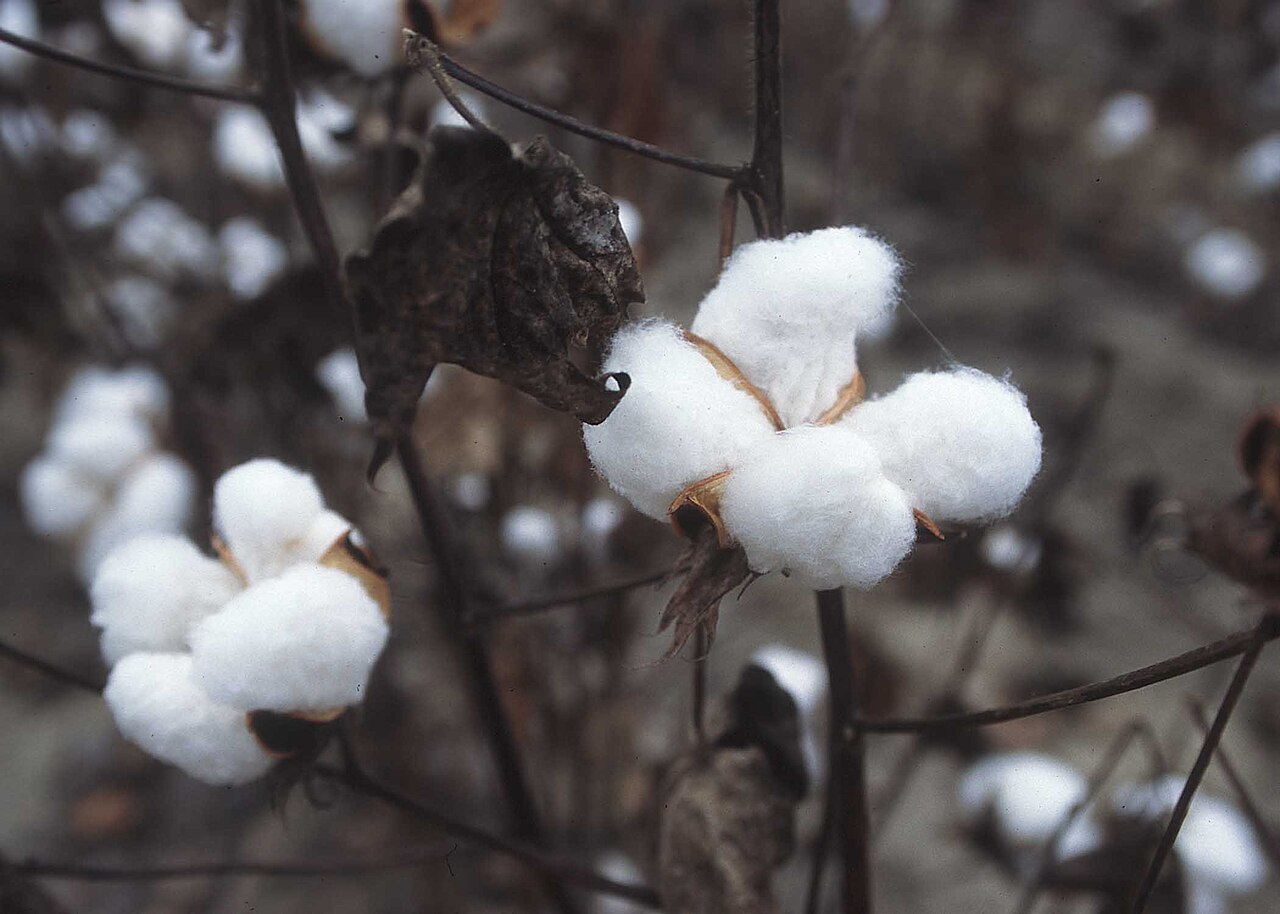
Cotton is the most widely used natural fiber in the global textile industry. Grown around the seeds of the cotton plant (Gossypium), it is prized for comfort, breathability and versatility in apparel.
Wool
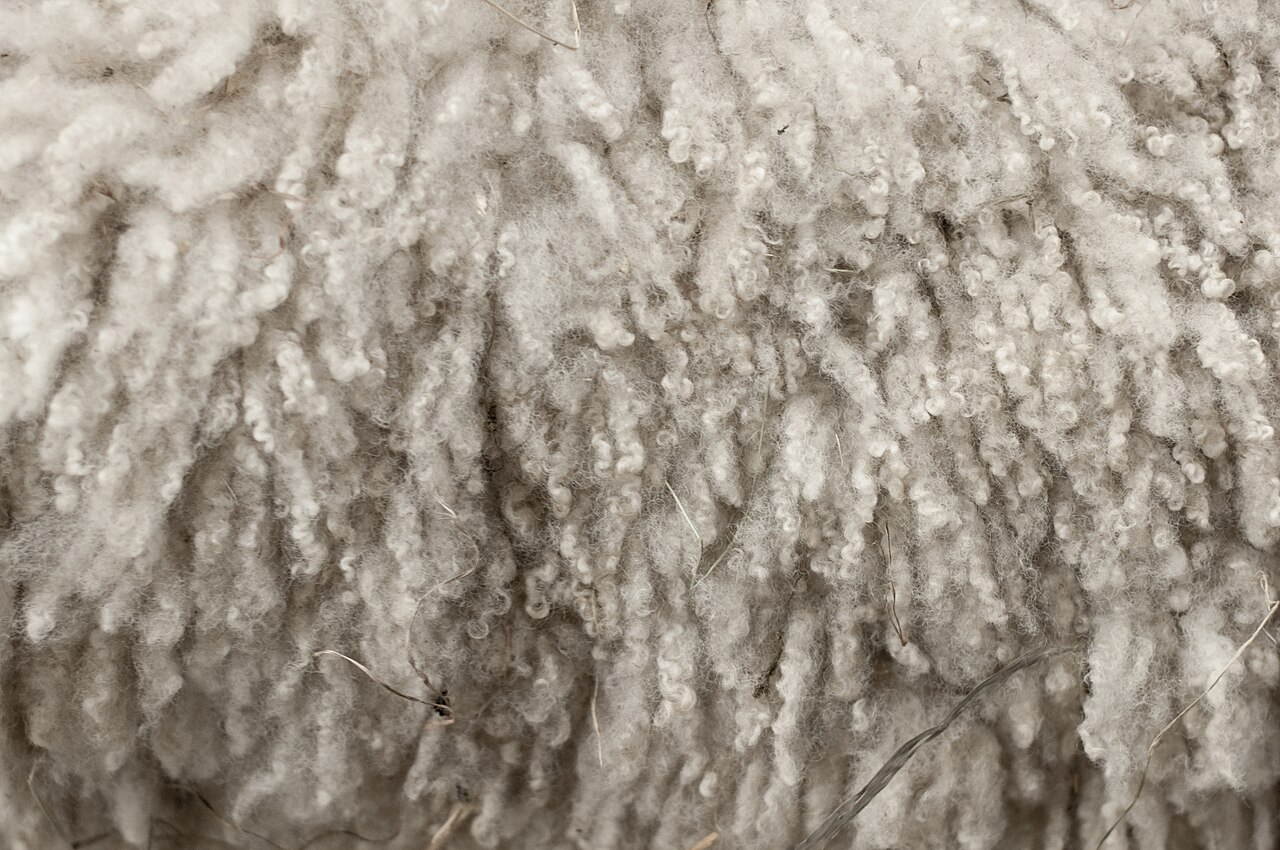
Wool is the textile fiber obtained from the fleece of sheep and other animals. Insulating and elastic, it is the basis of winter knitwear and tailoring.
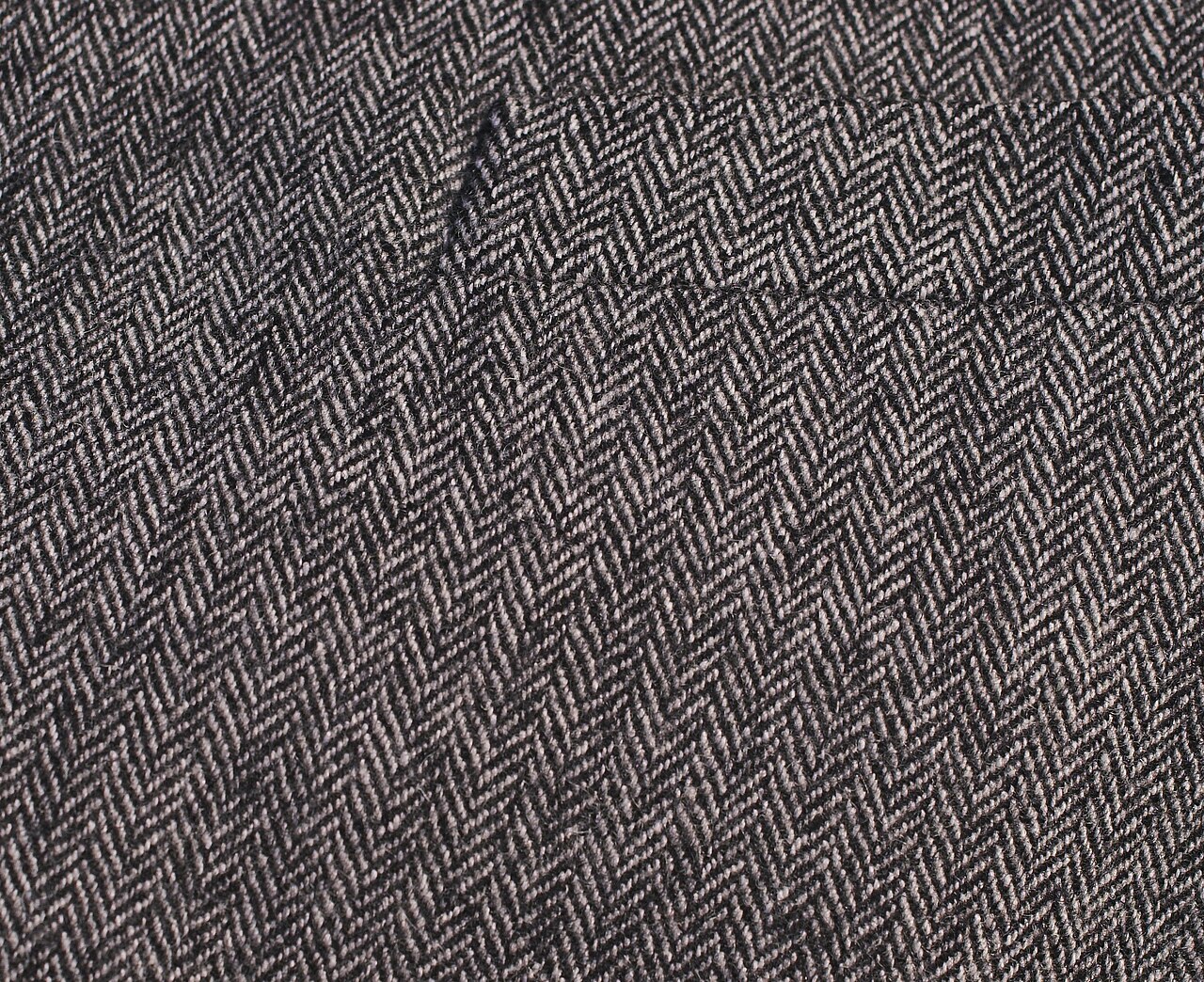
Twill
Twill is one of the three fundamental weave structures, recognizable by the diagonal ribs on its surface. Durable and substantial, it is the base structure behind denim, gabardine, and much of utilitarian apparel.
Sources
Want to apply this to your operation?