What is fast fashion and why is it so controversial?
The fashion industry has grown a lot and gained more and more followers. Proof of this is that the market is estimated at US$3 trillion worldwide, which represents about 2% of global GDP. Part of this growth is due to the rise of fast fashion.
Do you know what the term means? Read this text to the end and we will explain.
What is fast fashion?
Fast fashion is defined by the fast, large-scale production of clothes. A fashion collection is launched and replaced weekly. In addition, consumption and disposal are also fast.
These clothes have affordable prices and make sure the fashion trend of the moment arrives faster and reaches a large number of people.
This type of large-scale production began in the late 18th century, after the invention of the sewing machine. Before that period, each piece of clothing was made by hand, which made production slower and also more expensive.
The European brands Zara, H&M and Topshop were responsible for the emergence of the term "fast fashion" in the mid-1990s. These companies produced clothes similar to haute couture, but at a much more affordable price.
But why is the topic so controversial?
In recent years, many negative points of fast fashion have been highlighted. The first is how this type of commerce negatively affects the environment.
Growing cotton requires an excessive amount of water, and synthetic fabrics, such as polyester, are derived from petroleum.
Toxic dyes that can release heavy metals and harm animals and even humans are often used.
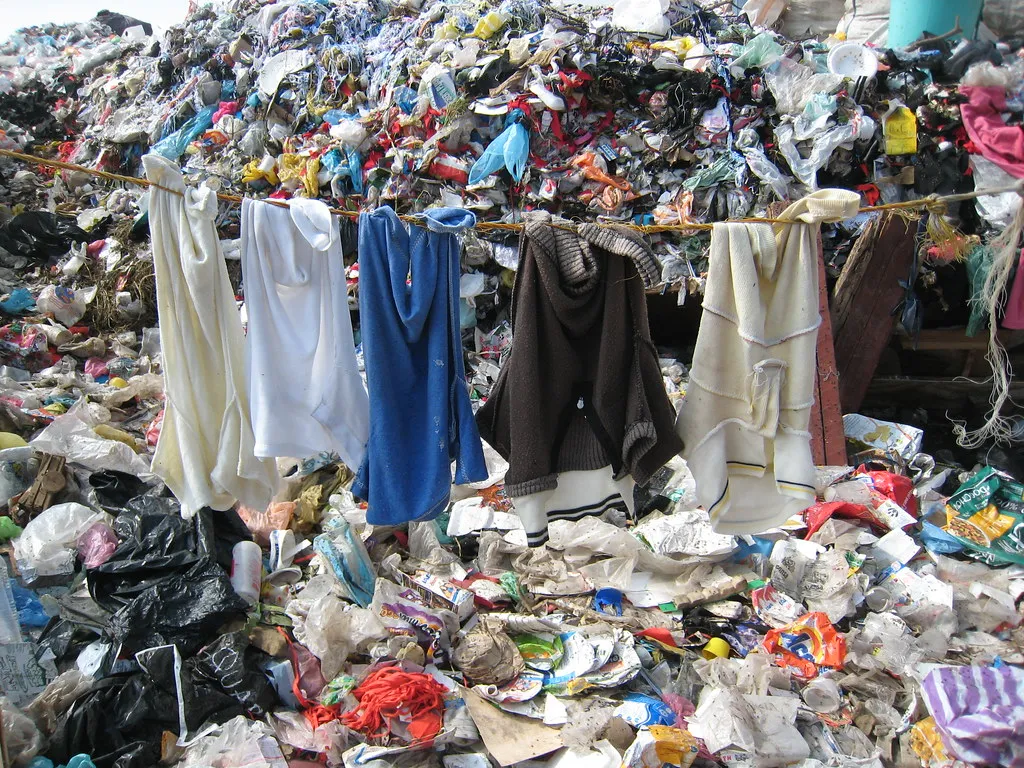
The fact that clothes are discarded so quickly is also a problem. Because of the great need to follow trends as fast as possible, many pieces from past collections are thrown away and generate tons of fabric waste.
There are also many social problems behind this type of production. The price of these clothes is lower precisely because labor is also cheap. Since brands use outsourced labor, it is often precarious or even slave labor.
The slow fashion movement
In response to all these problems, the slow fashion movement emerged and gained strength. This production system prioritizes conscious consumption, sustainability and valuing production.
This means pieces are made with organic fabrics that do not harm the environment and with better quality.
Slow fashion also seeks greater appreciation of fashion and clothes. The use of thrift stores, for example, is encouraged, and small and medium-scale production is prioritized. Because of the many controversies, many fast fashion brands have been seeking improvements in their production processes and have started to use less polluting materials.
Want to apply this to your operation?