Slow fashion and fast fashion: two concepts and their differences
Understanding how the textile industry works is more in fashion than clothes, shoes and accessories. With that in mind, we bring you two expressions that, if you are tuned in to the fashion world, you have probably heard: fast fashion and slow fashion.
You can grasp the meaning of these terms at first glance, but understanding the concepts behind both is fundamental for the advance of the collaborative economy in the fashion world.
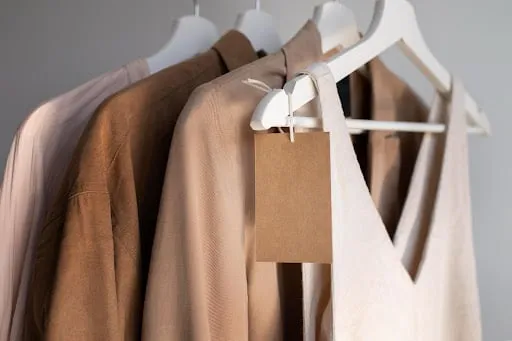
Learn why to adopt slow fashion. | Photo: Freepik.
In this article, you will see what fast fashion is, what slow fashion is, the main differences between the two concepts and the reasons to adopt slow fashion. Keep reading!
What is fast fashion?
Fast fashion is the fast, large-scale production of clothes. A fashion collection, for example, is launched and replaced every week. In addition, consumption and disposal of fast fashion pieces are much faster.
These clothes have affordable prices and make sure the trend of the moment reaches an ever larger number of consumers faster.
This type of production began in the late 18th century, soon after the invention of the sewing machine. Before that, clothes were made by hand, which made them take longer to produce and cost more.
Some European brands, such as Zara, Topshop and H&M, were responsible for the emergence of fast fashion in the 1990s. These companies produced pieces similar to haute couture, the difference being that they cost far less.
What is slow fashion?
Slow fashion emerged to minimize all the harm caused every day by the practices of the fast fashion industry. The term translates as "moda lenta" in Portuguese, and its concept covers more conscious consumption and the practice of the circular economy.
The concept is related to the end point of a garment that no longer serves you: it does not go to the trash, it goes to a new consumer. The life cycle of products in slow fashion is a relevant factor for this kind of fashion.
With the visibility of slow fashion, the industry gained many insights about sustainability in the fashion world.
That is where the importance of conscious consumption comes from, for example valuing the local market, using eco-friendly fabrics and a more transparent production system, one that tells the consumer the whole production process of a given garment.
In the digital world, this movement has gained more and more strength, with slow fashion encouraged from production to the practice of renting clothes, all with the aim of showing that throwing clothes away is not the only way out.
Learn the differences between fast fashion and slow fashion | Photo: Freepik
5 differences between fast fashion and slow fashion
Now that you understand the concepts of fast fashion and slow fashion, here is how to identify each one and what the main differences between the two are:
1. Production
The fast fashion movement produces in bulk and quickly. The slow fashion movement works more slowly, with pieces that have longer, more useful lives.
2. From production to invention
The differences between fast fashion and slow fashion are present from the process of making the garments to the way collections are created.
3. Number of collections
In the fast fashion movement, collections and sub-collections are many and launched throughout the year. In slow fashion, only small collections are developed.
4. Humanization of garment making
In the slow fashion movement there is more concern with this factor, that is, the brand opens access to photos and videos of the people who made a given piece for consumers.
5. What the movements are known for
Among fast fashion groups, the evidence is:
- plus size fashion: people talk about how hard it is to find plus size pieces in department stores;
- underwear: how underwear is cheaper in fast fashion stores;
- beachwear: users report on the quality and variety of beachwear in department stores.
In slow fashion, the evidence is:
- beachwear: people looking for brands with sustainable, high-quality fabrics;
- plus size fashion: discussions about brands that promote body positivity, a term that deals with the positive aspects of your body, which for a long time was considered "unconventional";
- LGBTQI+ fashion: brands that offer gender-neutral and unisex fashion, plus some pieces such as shirts and trench coats.
Why adopt slow fashion?
After understanding the concepts and the differences between fast fashion and slow fashion, here are the reasons to adopt slow fashion:
A challenge to image-focused fashion
Slow fashion challenges fashion to reorient product quality so that making the garment considers integral aspects and not only aesthetic ones.
Fashion is a choice, not a mandate
With globalized industries standardizing fashion, choosing different products is made unviable. Slow fashion, however, is an alternative where you can find more freedom when choosing a product.
Collaborative work
The slow fashion movement fosters a more cooperative structure, which promotes collaboration among all agents in the textile field as a way to build fairer trade, including for women.
Socially responsible creation and economic distribution
Making garments can value local resources, avoid distribution intermediaries, eliminate hierarchies among designers, producers and consumers and enable better economic distribution among the agents.
Because slow fashion does not care about fast mass production, prices can be fairer, internalizing the social and ecological costs of production. Besides valuing producers, this avoids quick disposal of clothes.
Want to apply this to your operation?