Nike case study: operational restructuring and a focus on digital experience
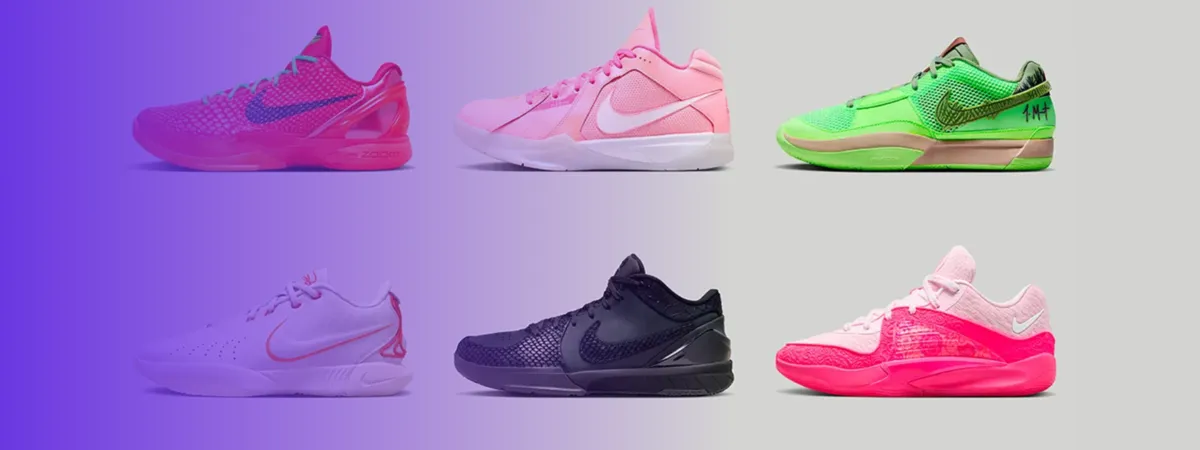
Between 2023 and 2025, Nike faced significant challenges that led to a deep operational restructuring and a renewed emphasis on digital experience. These strategic changes offer valuable lessons for fashion, management and marketing professionals.
Context and challenges faced
In 2023, Nike faced falling sales and a loss of cultural relevance, attributed to a strategy overly focused on the direct-to-consumer (DTC) model and on digital initiatives that alienated wholesale partners and compromised product innovation. The company also suffered from competition from emerging brands such as Hoka and On Running, which captured consumers' preference.
Leadership change and new strategy
In October 2024, Elliott Hill took over as CEO, bringing a new perspective to the company. Hill stressed a return to Nike's sporting roots, putting sport as the brand's "north star". His strategy included:
- Reigniting product innovation: Focus on athlete-centered product development, seeking to regain leadership in sports innovation.
- Restoring wholesale relationships: Rebuilding partnerships with traditional retailers to balance distribution channels and broaden the brand's reach.
- Improving marketing: Investment in athlete-centered storytelling to strengthen the emotional connection with consumers and reinforce brand identity.
Financial performance and ongoing challenges
Despite these initiatives, Nike continued to face financial challenges:
- Falling sales: In the third fiscal quarter of 2025, revenue fell 9.3%, totaling US$11.27 billion. The company projects an even bigger drop in sales in the fourth quarter, anticipating a double-digit decline compared with the prior year.
- Pressured profit margins: The need to clear old inventory through discounts hurt profit margins, with an expected drop of 400 to 500 basis points in gross margins.
Focus on digital experience and pricing strategy
Nike adjusted its digital strategy to focus on full-price sales, reducing promotional days and discount rates. In the first months of 2025, there were no promotional days in North America, in contrast with more than 30 in the same period of the previous year. This approach aims to stabilize and eventually increase revenue, in line with the brand's repositioning strategy.
Lessons for fashion, management and marketing professionals
Nike's recent trajectory offers several lessons:
- Channel balance: The importance of balancing DTC and wholesale channels to maximize reach and operational efficiency.
- Consumer-centered innovation: Keeping the focus on product innovation that meets consumers' needs and desires is key to brand relevance.
- Brand and price management: Pricing strategies that avoid excessive discounting can preserve the brand's perceived value and protect profit margins.
Conclusion
Nike's restructuring between 2023 and 2025 highlights the challenge of balancing innovation, distribution channels and brand management in a competitive market. The company's experience underscores the need for integrated strategies that align operations, marketing and customer experience to sustain growth and relevance in the fashion and sportswear sector.
Want to apply this to your operation?