How AI-generated models are transforming the fashion industry
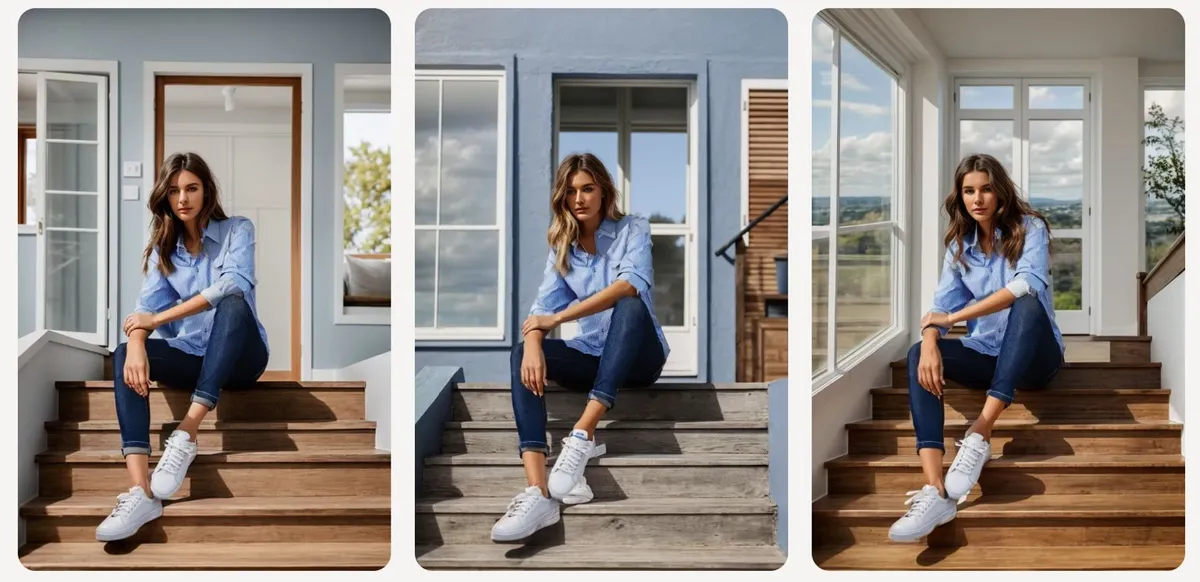
Among the many rapid transformations brought by artificial intelligence, AI-generated models, known as "digital fashion/apparel models", are gaining prominence.
These digital models, developed and customized through advanced AI algorithms, are changing the way clothes are designed, marketed and sold.
In this article, we explore the applications, benefits and real-world examples of AI-generated models in the fashion industry.
What are AI-generated models?
AI-generated models are digital representations of human figures, created by artificial intelligence algorithms.
These virtual models are used in many areas of the fashion industry, from clothing design to product presentation.
What are commonly used AI models for?
AI models for virtual fittings
Some AI-generated models are designed to wear and display garments. Designers and fashion brands use these digital models to run virtual "fittings" of clothes, making visual evaluation and adjustments easier before production.
More specifically, these models help designers visualize or replace a model on a garment, such as a dress, a jacket or even wigs.
AI models for clothing design
AI supports the design process by generating exclusive patterns, color combinations and styles based on historical data and current trends.
This allows designers to create innovative, appealing garments.
AI for children's clothing design
AI-generated models are versatile and can be adapted to represent several demographic groups. In children's clothing, AI helps design clothes suited to children, taking age and children's preferences into account.
In addition, these models remove the need for child models, addressing ethical concerns and allowing more children to enjoy childhood.
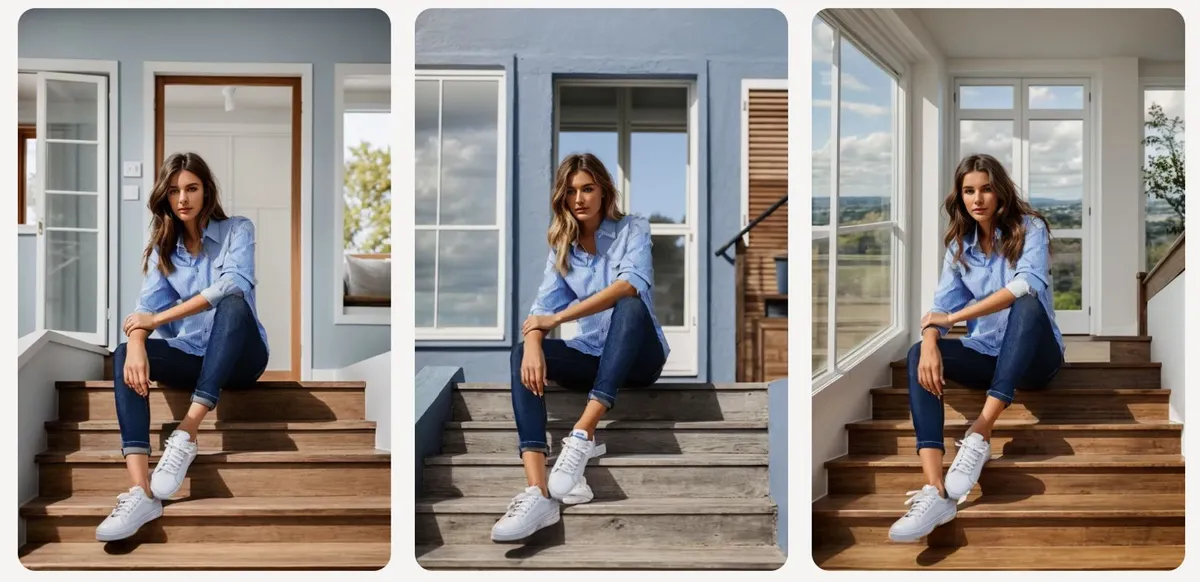
Benefits of using AI-generated models
1. Realistic product display
E-commerce platforms can display products more realistically with AI models, giving customers a better understanding of how the clothes fit and look.
2. Lower costs and time savings
By removing the need for human models and lengthy photo shoots, brands save money on model contracts and photo expenses. In a market where time is essential, reducing the time spent coordinating with models or model agencies is key to the success of small businesses.
3. Faster product turnover
Using AI-generated models speeds up the product renewal cycle, letting brands launch new collections more often and keep up with constantly changing fashion trends.
4. Changing the model in photos already produced
In this application, photos that feature models and may therefore have an expiration date or limiting contract terms get a new lease on life. The model and other details of the photo can be replaced using AI image-editing models.

5. Environmental sustainability
AI reduces waste by minimizing the need for physical samples and extensive fabric testing, making fashion production greener.
6. Improved personalization
Digital models make it possible for brands to offer personalized shopping experiences, suggesting products that match customers' preferences and body types.
7. A boost to innovation
AI-driven trend and design analysis empowers designers to explore new creative paths and stay ahead of the competition.
Real-world examples of how AI is used in fashion
Applying AI-generated clothing models in the fashion industry is quickly transforming the way brands operate, creating immersive experiences and driving innovation.
Conclusion
AI-generated models are at the forefront of innovation in the fashion and e-commerce industries. They streamline processes, reduce costs and offer numerous benefits to both sectors.
By incorporating AI into clothing design, advertising and marketing, the industry is taking significant steps toward a more sustainable and innovative future.
In addition, using AI models opens the door to unmatched creative exploration. Brands can test different looks, styles and themes easily, with a simple click.
This creative freedom not only raises visual appeal but also lets brands build a deeper connection with their target audience.
As AI technology keeps evolving, it is essential for companies to adopt it and stay ahead in the ever-changing world of fashion.
Want to apply this to your operation?