H&M arrives in Brazil and raises a new strategic alert for fashion retail
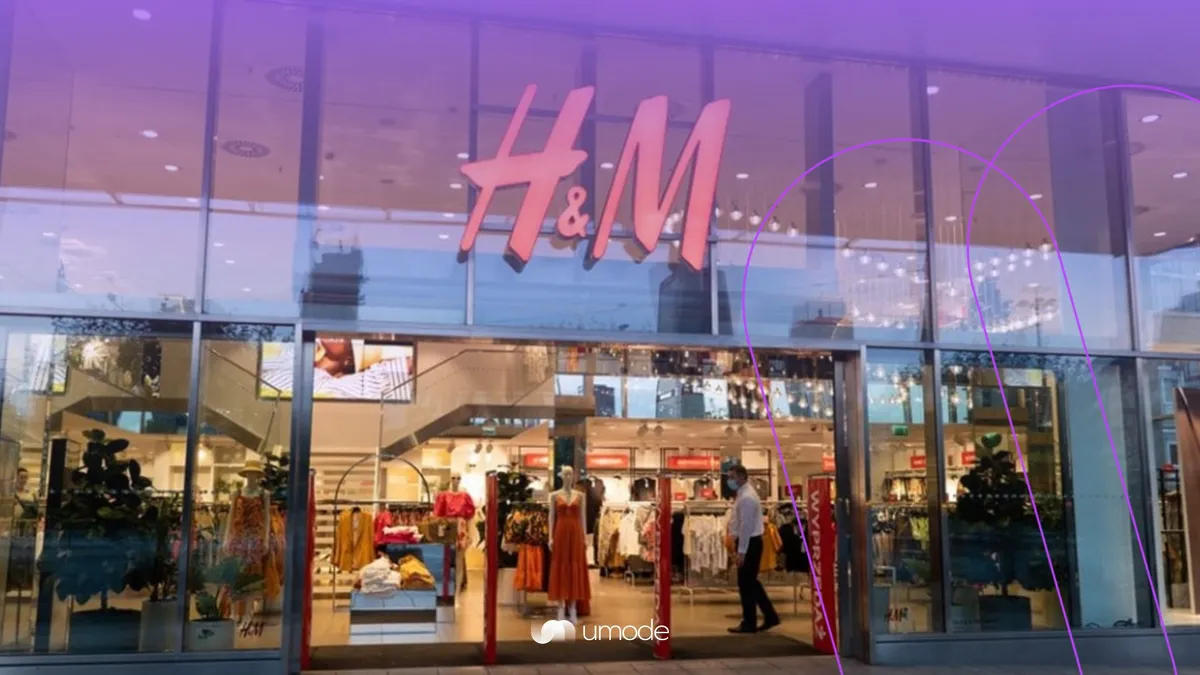
H&M's arrival in Brazil in August 2025 is an important milestone for national fashion retail. After three years of study, the Swedish giant, one of the largest fast fashion brands in the world, is starting its operation in the country with four physical stores, an e-commerce site with national coverage and a strategy designed to compete in an increasingly demanding, digital and culturally complex market.
With more than 4,300 stores in 77 countries, the brand arrives in the largest market in Latin America with a clear plan: integrate channels, strengthen local presence and win over the Brazilian consumer with speed, convenience and representativeness.
Omnichannel strategy from day one
Unlike many international brands that enter Brazil timidly or by testing formats, H&M starts its operation already with an omnichannel structure: physical stores in leading malls in São Paulo and Campinas (Shopping Iguatemi, Anália Franco, Morumbi and Parque Dom Pedro) and e-commerce operating nationwide. The decision is strategic: today's consumer looks for seamless experiences between online and physical, and H&M understands there is no longer room to think about channels separately.
Local production and Brazilian teams
The brand also signals a relevant move in its production chain: partnerships already started with Brazilian suppliers, especially in footwear and beachwear, are expected to grow over the coming years. This shortens lead times, strengthens the perception of localization and stimulates local industry.
In addition, the company plans to hire 450 people by the end of 2025. Part of the team is already being trained in a pilot store and has the support of Brazilians who already worked for the company abroad. The idea is to build a rooted operation, with people who know local consumer behavior and help adapt global strategies to our context.
Culture, collaborations and sustainability as pillars
One of H&M's differentiators is its ability to translate culture commercially. The brand bets heavily on connecting with the public through collaborations with local artists, brands and designers, something already on the radar for Brazil. "We want to reflect Brazilian culture in all our initiatives," said Joaquim Pereira, H&M's country manager in Brazil.
Sustainability also remains a pillar: in 2024, the company invested US$179 million in sustainable practices and new technologies. Highlights include the use of organic cotton, recycled polyester and initiatives such as the "Pre-Loved" model, which brings second-hand pieces together in a physical store and could be implemented here in the future.
Why should the market pay attention?
H&M's entry is not just the expansion of a multinational. It is a move likely to affect the entire Brazilian fashion chain, from suppliers to small retailers, from consumers to influencers.
The company arrives with robust infrastructure, consolidated branding and a business model that combines speed, volume and cultural presence. This pressures the local market to respond with more operational efficiency, product innovation, brand differentiation and experiences more connected to the consumer.
More than competing on price, it will be necessary to compete on relevance.
Want to apply this to your operation?