ERP system: what it is, how it works and types


An ERP system helps manage your fashion company (Photo: Freepik)
ERP system: what is it and how does it help your fashion company?
An ERP system makes it easier to manage production stages and departments in your fashion and apparel company. So here is what an ERP system is and what types exist.
What is an ERP system and how does it work in companies?
ERP stands for Enterprise Resource Planning. In other words, an ERP system is a business management platform that unifies all departments, making administration easier. It also increases productivity and helps managers make decisions.
An ERP system usually has modules for the following areas: purchasing and inventory, administration, sales, finance, tax, management, fleet, dashboards, among others. Some of these platforms also have CRM features, which are a set of practices and strategies aimed at good customer relationship management.
An ERP system is a management platform that tries to fit your company's main needs. Because it is modular, you can find modules for many purposes. To define the ones that best fit what your company needs, survey all the infrastructure required to implement the ERP, which can vary according to the platform and type of ERP.
Types of ERP system
1. Legacy ERP systems
These systems are very old, so they are harder to maintain. They need special parts, which may have been discontinued for some time. This kind of ERP system will not be able to keep up with the company's growth.
2. Rigid systems
The advantage of this ERP system is its price, since they are cheaper. On the other hand, they do not have many add-ons. So they will not support your company's expansion either. Your company will probably have to look for another ERP system later.
3. Free systems
There are ERP systems you do not have to pay anything to acquire. But over time they tend to have costs, because in most cases you need to pay for consulting. A free ERP system does not meet many needs, leading companies to change platform type later.
4. ERP designed for omnichannel
This is the most recommended ERP system today because it provides more complete financial control of products, cash flow, and issuing of payment slips and invoices. So it covers everything your company needs.
5. Verticalized systems for one business channel
This ERP system is suited to franchises and physical stores. It has functions related to promotions, commission control and other needs of that kind of company. However, its management is not very specific, nor does it offer ideal planning.
6. Back offices
This is not an ERP system strictly speaking. Even so, back offices are already a big help for your management when combined with a legacy ERP system.
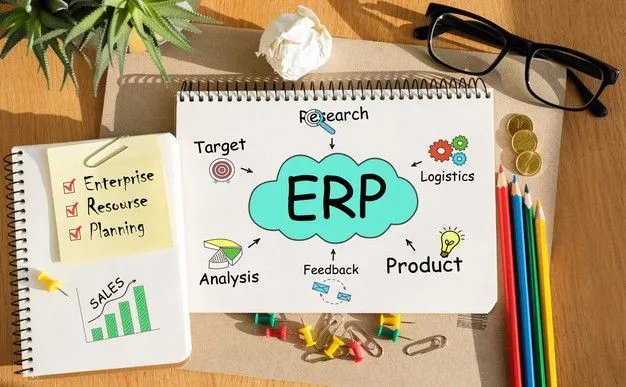
ERP system | Photo: Freepik
The importance of an ERP system for the organization
1. More efficiency
With an ERP system, you can automate day-to-day tasks, reducing labor and operating costs. Everything becomes faster and more practical.
2. Security
Access to data will be restricted to the ERP system, which is secure, with strategies and rules to ensure it. There are also mechanisms that alert managers if a problem or strange action is detected.
3. Less bureaucracy
Bureaucratic work is slow and tiring, but an ERP system can reduce it. The platform reduces organizational operations and routines and automates actions, simplifying these bureaucratic activities.
4. Lower costs
Precisely because it automates activities, increases efficiency and reduces bureaucracy, labor and operating costs are lower. So the ERP system brings savings to your company.
5. Remote management
It is not always possible to be close to your company. But with an ERP, which gives control over all activities, that is not a problem. These platforms usually also have a mobile app that lets you manage your company from wherever you are.
6. Better customer service
The company's employees will gain efficiency with an ERP system, because they will have easy, fast access to relevant customer information, which is essential for good service.
7. Personalization and customization
The modular ERP system can create an interface that fits your company specifically, adapting to your needs. Customization also helps efficiency by making everyday tasks easier and faster.
Want to apply this to your operation?