Chanel's strategy to reassert its leadership in the fashion world
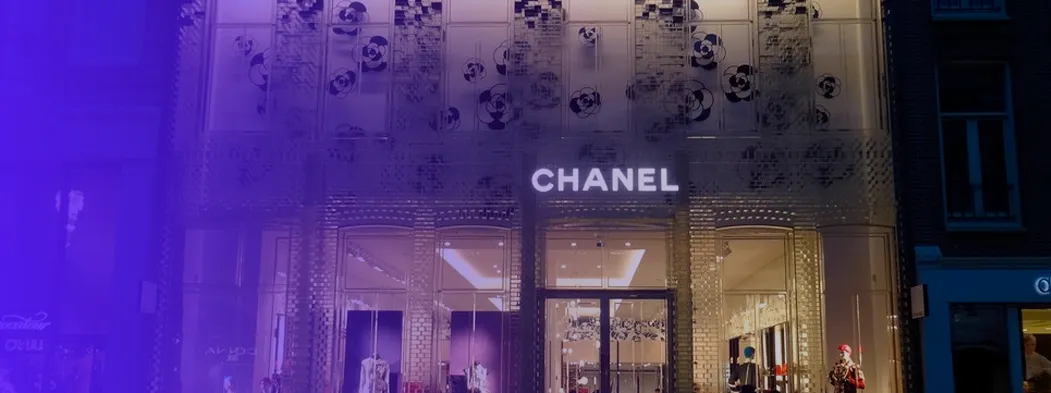
Chanel, one of the most iconic fashion houses in the world, is in the spotlight not only for its luxurious shows but also for the strategies it has been adopting to stay relevant in a constantly evolving market. In recent years, the brand has faced significant challenges that called into question its ability to deliver the value it has always promised.
Price increases and questions about value
Chanel raised its prices well above inflation, without notable improvements in the creativity or quality of its products. The move drew criticism and raised doubts among consumers and industry experts: does the brand still deliver the value it promises?
Recent data showed that the average price of Chanel products fell 7% in the third quarter, indicating that the brand is reassessing its pricing strategy. This change suggests a response to customer concerns and an attempt to align its prices with the perception of value delivered.
Chanel's main strategies
To understand how Chanel is repositioning itself, it is important to look at its main strategies:
- Preserving the brand's heritage and identity
- Heritage: Chanel has always valued its history and the codes established by its founder, Gabrielle "Coco" Chanel. Elements such as tweed, pearls and quilting (matelassé) are enduring symbols of the brand.
- Maintaining visual identity: The brand keeps a strong, recognizable visual identity, reflecting timeless elegance and understated luxury. This consistency strengthens recognition and customer loyalty.
- Strict control of distribution and exclusivity
- Selective distribution: Chanel sells its products only in its own boutiques and selected department stores, keeping full control over the customer experience and ensuring exclusivity.
- Premium pricing policy: By keeping prices high, Chanel reinforces the perception of luxury and exclusivity, positioning itself as an aspirational brand.
- Careful digital strategy
- Controlled online presence: Until 2021, Chanel was cautious about online sales of fashion products, focusing mainly on beauty and fragrances in e-commerce. This approach aims to preserve the brand's exclusive character.
- Social media engagement: Chanel uses digital platforms for storytelling and audience engagement, keeping the air of exclusivity and promoting differentiated brand experiences.
- Superior customer experience
- Personalized service: The brand invests in intensive training of its sales team to offer exceptional, personalized service in the boutiques, strengthening the relationship with the customer.
- Luxury environment in stores: Store design reflects the brand's elegance and sophistication, providing an immersive experience that goes beyond simply buying products.
Challenges and opportunities
With increasingly demanding customers and a luxury market in transformation, Chanel faces the challenge of innovating without losing its essence. The slowdown in demand for luxury goods, especially in key markets such as China, adds pressure on the brand to adapt to new realities.
The upcoming "Métiers d'Art" show, scheduled to take place in Hangzhou, China, represents an opportunity for Chanel to reaffirm its commitment to the high quality and craftsmanship that made it legendary. In addition, rumors indicate that the brand is looking for a new creative director, with names such as Hedi Slimane, Simon Porte Jacquemus and Matthieu Blazy being considered. Naming a new creative leader could bring a needed renewal, injecting freshness and innovation into the collections.
Strategies for the future
To regain its place at the top of the fashion world, Chanel could consider the following actions:
- Reassessing pricing policy: Align prices with consumers' perception of value, making sure products offer quality and innovation consistent with the investment required.
- Innovation faithful to its roots: Introduce new ideas and designs that respect the brand's heritage, attracting a new generation of consumers without alienating the loyal base.
- Expanding digital presence: Use digital platforms not only for engagement but also to offer exclusive, convenient shopping experiences, meeting the expectations of the modern consumer.
- Sustainability and social responsibility: Step up sustainable initiatives and ethical practices, responding to growing demand for environmental and social responsibility in luxury.
Chanel has a rich history and a strong brand identity, elements that are fundamental to facing the current challenges. The combination of visionary leadership, commitment to quality and a strategic approach to innovation can position the brand for a new era of success.
And you, do you believe Chanel will be able to reinvent itself and meet the expectations of today's consumers? What do you expect to see in this new phase of the brand? Share your opinion!
References:
- Forbes. (2021). Chanel's Financial Performance and Market Position.
- Chanel Official Website. Brand Strategies and Recent Launches.
- Business of Fashion. (2021). Challenges Facing Luxury Brands in the Modern Market.
- Chanel interviews and statements. Official statements on strategies and future plans.
Want to apply this to your operation?