Artificial intelligence in fashion marketing: personalization and efficiency at scale
Integrating artificial intelligence (AI) into fashion marketing has changed how brands connect with their consumers. Advanced tools make it possible to personalize campaigns, optimize content and improve interaction with different markets. Learn about some of the main tools and success cases that show their positive impact on company performance and revenue.
Personalization as a strategic pillar
Personalization is no longer a differentiator and has become a consumer requirement. Studies indicate that 91% of consumers are more likely to buy from brands that offer offers and recommendations relevant to them.
AI tools, such as natural language processing (NLP) and machine learning algorithms, let brands analyze large volumes of data to understand consumer behavior. This makes it possible to create highly segmented campaigns adapted to each customer's individual preferences.
Tool
Heuritech: anticipating trends with AI
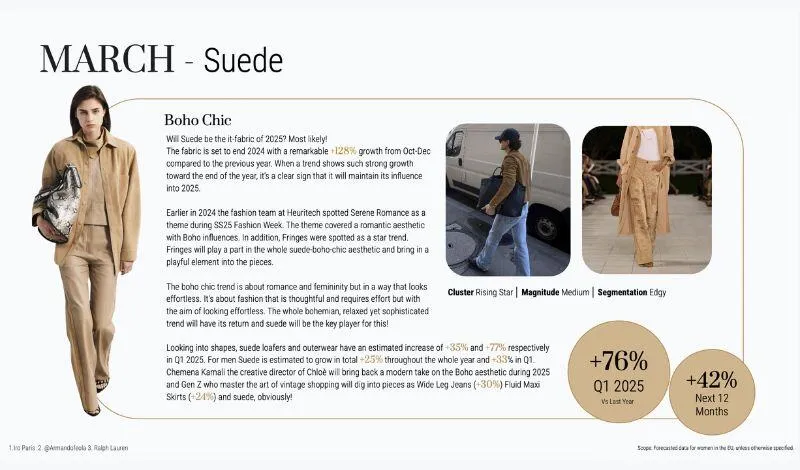
Heuritech uses machine learning algorithms to analyze millions of social media images, identifying emerging fashion patterns. This analysis lets brands anticipate trends and adjust their collections to consumer preferences.
Automation and operational efficiency
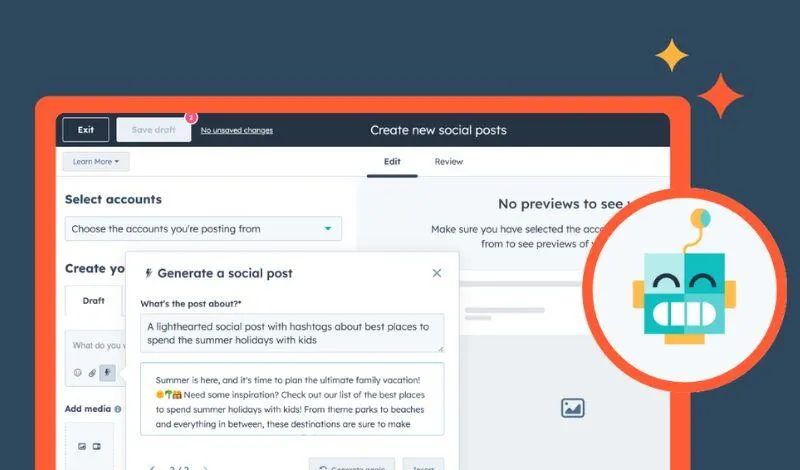
Besides personalization, AI contributes significantly to automating marketing processes. Platforms such as HubSpot and WriterAccess use AI to adapt messages in real time, based on users' browsing history, purchase behavior and previous interactions.
AI-driven smart A/B tests allow automatic optimizations, increasing campaign efficiency and improving conversion rates.
Tool
uMode: integrated planning and agile collaboration
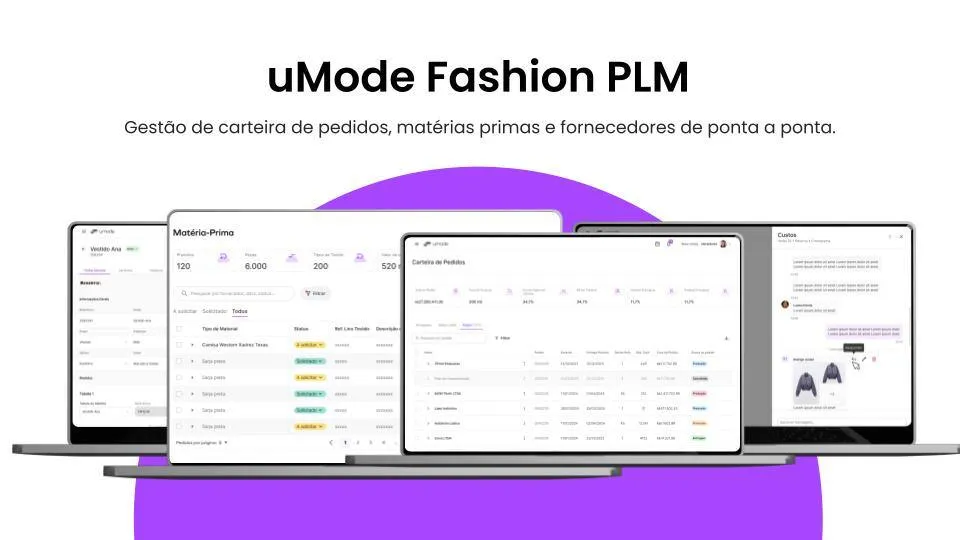
uMode is a Brazilian platform that integrates planning, product management and sales, using data intelligence to drive results in the fashion sector. It centralizes information from conception to production, promoting agile collaboration among designers, buyers and production teams.
Predictive analytics and trend anticipation
AI-powered predictive analytics lets brands anticipate consumers' future behavior. This is particularly valuable in the fashion industry, where trends change quickly. AI tools analyze historical and real-time data to predict which styles, colors and products will have the highest demand, allowing brands to prepare accordingly.
Tool
Stylumia: demand forecasting and waste reduction
Stylumia offers AI-based demand forecasting solutions, letting brands align their offerings with the market's real needs. This results in a significant reduction in waste and an increase in operational efficiency.
Integration with digital platforms
AI is also being integrated into digital platforms, such as virtual assistants and chatbots, improving the customer experience. These technologies offer 24/7 support, answering questions, offering personalized recommendations and making the purchase process easier.
Tool
Aivo: AgentBot
Aivo's AgentBot is an omnichannel chatbot that uses AI to interact with customers 24/7 through natural conversations. It learns from previous interactions, offering more accurate answers over time. Companies such as Bradesco and Natura use AgentBot to run conversational experiences with their customers.
Conclusion
Applying AI tools in fashion marketing is not just a trend but a necessity for brands that want to stay competitive in a dynamic market. Personalizing campaigns, accurately forecasting demand and optimizing processes are fundamental to raising revenue and improving company performance. Investing in these technologies is a strategic step toward your business's success.
Want to apply this to your operation?